.gif)

Download Mobile App 






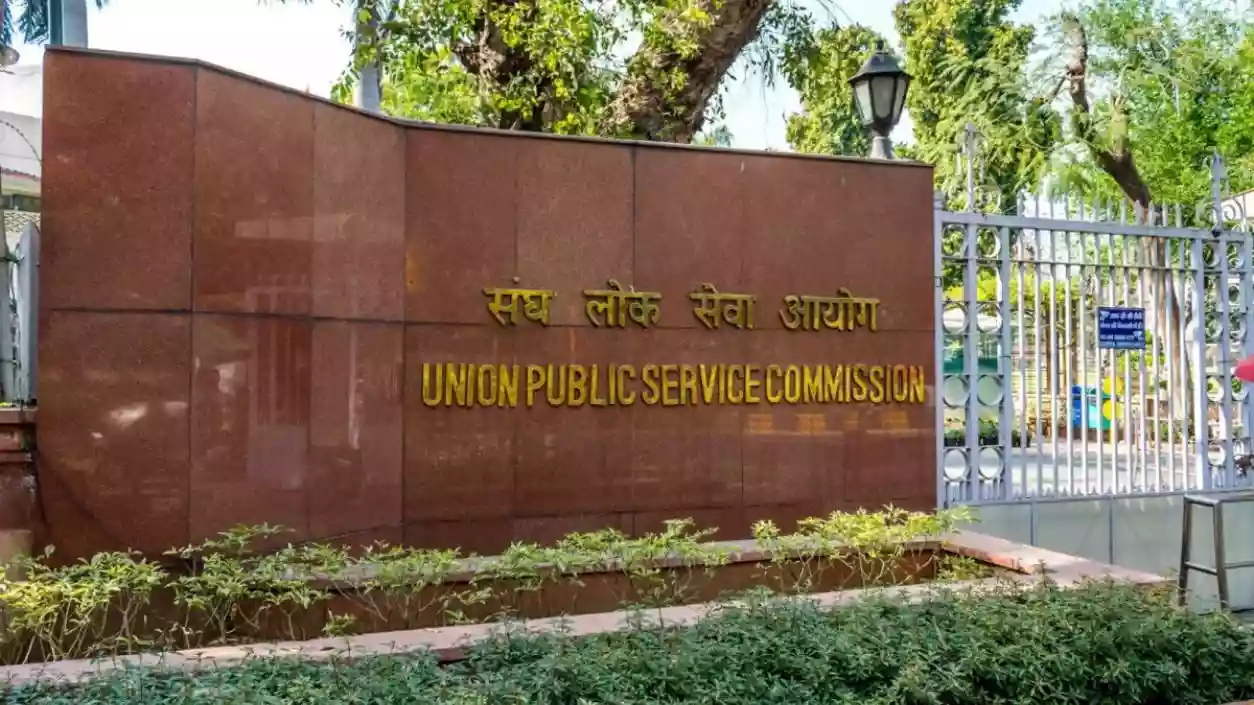
The prolonged uncertainty over the appointment of a permanent Director General of Police (DGP) in West Bengal appears to be nearing resolution, with the Union Public Service Commission formally asking the state government to submit a panel of eligible IPS officers. The development follows active intervention by the central government, accelerating a process that had remained stalled for weeks and raising hopes of restoring stability at the top of the state police hierarchy.
According to sources at Nabanna, the Commission has directed the state to forward the names of all IPS officers promoted to the rank of Director General as of February 5, 2026. The state government has initiated the necessary file movement and is likely to send a list of senior officers to the Commission by Friday. The move has triggered renewed activity within the police department.
Among the prominent names expected to feature in the proposed list is Anuj Sharma, currently serving as Director General (Fire Services). Acting DGP Piyush Pandey is also considered a strong contender. Other senior officers likely to be included are DG Home Guard N. R. Babu, DG Correctional Services Siddhinath Gupta, and Civil Defence Director Sanjay Singh, along with several others of equivalent rank.
Once the names are received, the UPSC will prepare a panel of three officers from which the state government will select one for appointment as the permanent DGP. The post has remained vacant since January 31, 2026, following the retirement of then acting DGP Rajeev Kumar. At that time, 1993-batch IPS officer Piyush Pandey was given interim charge to ensure continuity in administration.
The delay had led to friction between the Centre and the state, with allegations that the required list had not been submitted within the stipulated timeframe. However, following intervention by the Supreme Court, the technical and political complexities appear to be easing. If the process is completed within schedule, West Bengal is likely to have a permanent police chief soon, bringing administrative clarity and strengthening law-and-order management in the state.





 West Bengal
 Bihar
Bihar Uttar Pradesh
 Jharkhand